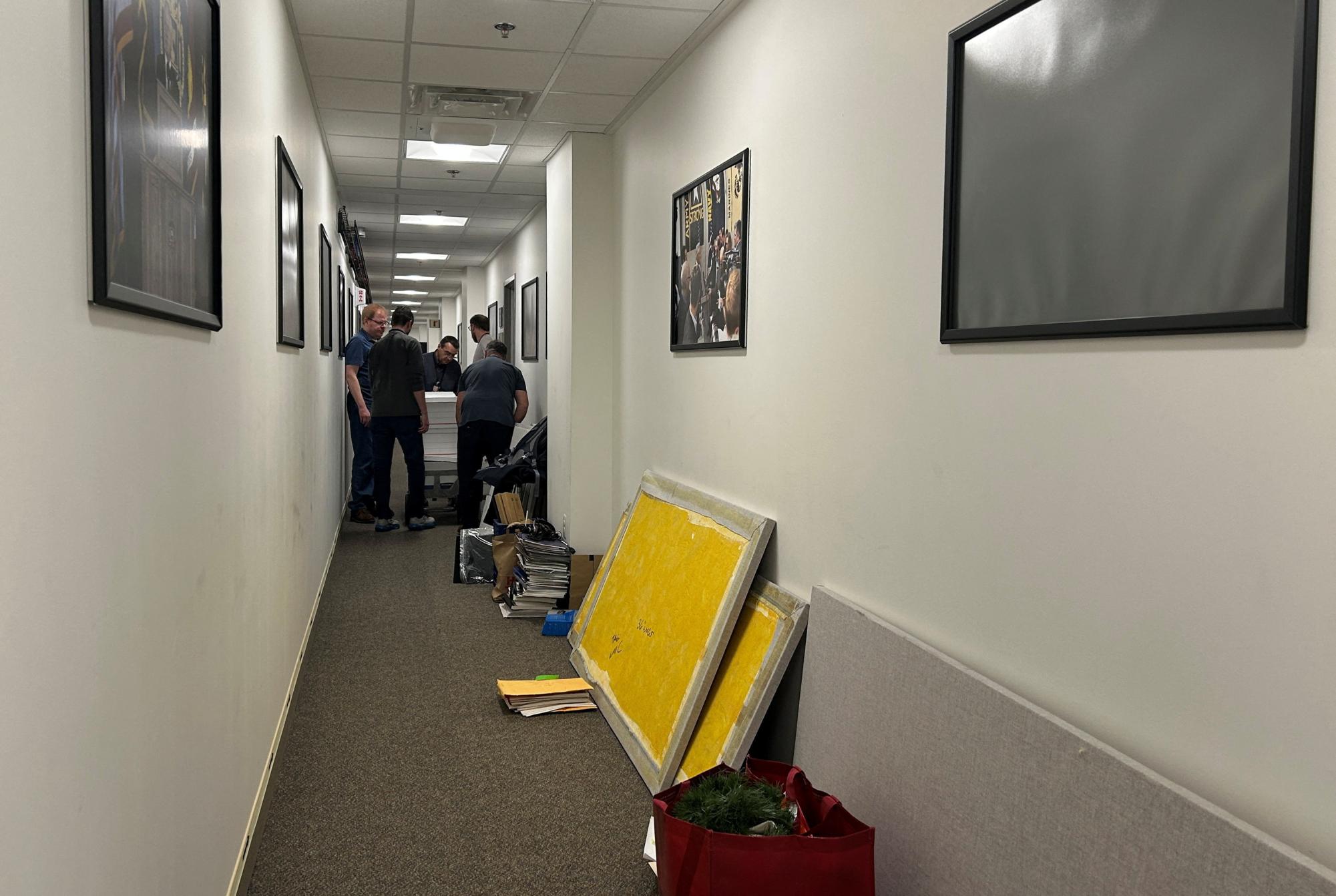
The decision of the Pentagon Press Association and many members of the broader Pentagon press that caused them to walk out of the United States Department of Defense’s headquarters and refuse to sign the new media-access memorandum instituted by Pete Hegseth.
It showed that the people were deeply affected in this moment as much by principle and identity as it is about procedure.
On one hand, I empathize with the reporters who chose to hand in their badges, box up
their desks, and leave the building at large. These are people who walk the corridors of what is
arguably the most powerful military institution in the country, day in and day out. They’ve
developed relationships, earned trust, brought stories to light, even when the story wasn’t
convenient.
To walk out is a statement of “Our job is not to ask permission to tell the story.”
Furthermore, I can see the Pentagon’s argument for the need for operational security
and the need to protect sensitive information, especially when the stakes are high for service
members’ lives.
Hegseth and his team say the rules reflect “common-sense media procedures” and are necessary in light of leaks and security concerns. But it’s the balance that matters, and that’s where this feels wrong.
What strikes me is the symbolic nature of this walk-out, it’s not just about access to a
building. It’s about access to power and influence and the ability to hold institutions accountable.
When reporters agree to sign a pledge that says they will only publish information pre-approved
by the Pentagon, when the decision becomes, do you become an extension of the institution you
cover, or do you preserve a degree of independence? The press corps apparently chose the latter
option.
Something is moving in the scene described as boxes lined up in corridors, chairs, and
personal photos were carried out, badges surrendered. It appears to be more than a logistical
exit; it seems to be a moral one. I imagine the goodbyes, not to colleagues necessarily, but to a
way of working, to a sense of being embedded and on the inside.
That feeling of being lost is real.
At the same time, I also reflect on the public stake in all of this. The American public and, by extension, the world are watching one of its premier military establishments make decisions about information flow. When the press is farther from the decision-making table, it raises questions.
Will subtle problems be missed? Will oversight weaken? Will the narrative be shaped more by what is allowed to be said rather than what needs to be heard?
In conclusion, I respect the reporters’ decision. I believe the walk-out is rooted in more than resistance; it’s rooted in identity.